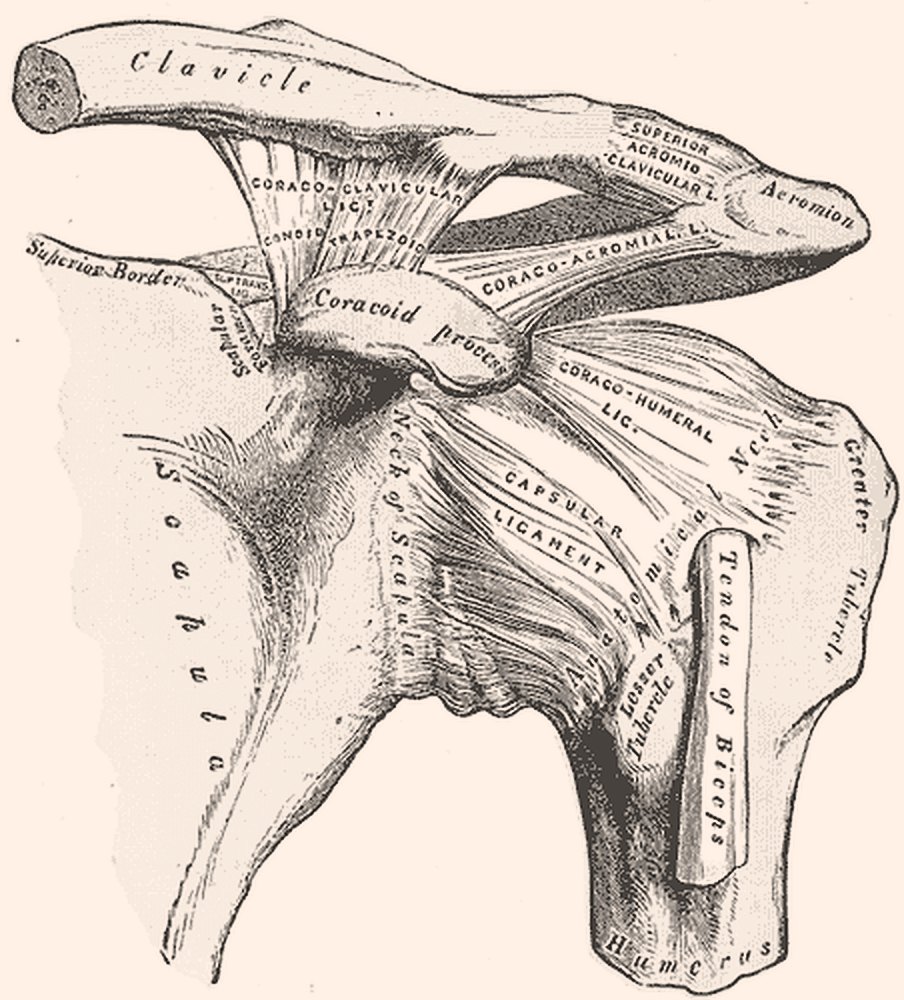
What frozen shoulder is
Frozen shoulder is inflammation and then thickening of the capsule, the flexible lining around the shoulder joint. As the capsule tightens, the joint loses movement in every direction, and turning the arm outwards is usually affected most. It is painful in the early months and stiff later. Most cases settle, but it can take one to three years without treatment.
The name describes what it feels like rather than what causes it. Nothing is frozen, and the joint surfaces themselves are healthy, which is why an X-ray is usually normal.
Who gets it
It most often affects people between 40 and 65, and women slightly more than men. Diabetes is the strongest risk factor: people with diabetes are several times more likely to develop it, and both shoulders are more often involved. Thyroid disease, recent surgery and a period of keeping the arm still after an injury also raise the risk. Many people have none of these.
The three stages
Frozen shoulder follows a predictable course. Knowing which stage you are in decides which treatment will help.
| Stage | Typical length | What you notice |
|---|---|---|
| 1. Freezing | 2 to 9 months | Pain builds, often worst at night. Movement starts to go. |
| 2. Frozen | 4 to 12 months | Pain eases, but the shoulder is at its stiffest. |
| 3. Thawing | 5 to 24 months | Movement gradually returns, though not always fully. |
How I diagnose it
Frozen shoulder is a clinical diagnosis. I take a careful history and examine both shoulders, comparing how far you can move the arm with how far I can move it for you. In frozen shoulder both are restricted by the same amount, which separates it from rotator cuff problems, where the arm moves freely when someone else lifts it.
I usually request an X-ray once, to rule out arthritis or a hidden fracture. Ultrasound or MRI are only needed if the picture is unclear. I don’t wait for a scan before starting treatment: the plan begins on the day you’re seen.
The earlier frozen shoulder is recognised, the more a steroid injection can do for the pain.
Treatment
The aim is to control pain, protect the movement you still have and shorten the course where possible. What I recommend depends on the stage.
Pain relief and sleep
Regular, well-timed pain relief and practical advice on sleeping position make the freezing stage far more bearable. I review any medicines you already take before prescribing.
Steroid injection
In the painful early stage, an ultrasound-guided steroid injection into the joint is the most effective single treatment. It reduces pain within days to weeks and makes the exercises possible. It works less well once the shoulder is in the stiff stage.
Exercises and physiotherapy
Gentle stretching within comfortable limits keeps the movement you have. Forcing a painful shoulder makes it worse, so the programme changes as you move from one stage to the next. I refer you to a physiotherapist I work with where that helps.
Hydrodilatation and surgery
If the shoulder stays stiff despite treatment, hydrodilatation (stretching the capsule with a guided injection of fluid) or surgical release are options. A large UK trial, FROST, found that early injection with structured physiotherapy gave results close to surgery for most people, so I reserve surgical referral for the minority who need it.
Recovery
With treatment, most people sleep better within weeks and regain useful movement over months. Some lose a little outward rotation for good but rarely notice it day to day. Frozen shoulder seldom returns in the same shoulder; up to one in six people later develop it in the other one, and recognising it early the second time makes a real difference.
When to get help urgently
Frozen shoulder is not an emergency. Call 999 or go to A&E if shoulder pain comes with chest pain, breathlessness or sweating. See a doctor the same day if the shoulder is hot and swollen with a fever, if you can’t lift the arm at all after a fall, or if you have a history of cancer and new, constant shoulder pain.
Questions patients ask
Will my frozen shoulder get better on its own?
Usually, yes, but it can take one to three years, and some stiffness may remain. Treatment shortens the painful phase and helps you keep more movement along the way.
Is a steroid injection safe if I have diabetes?
It can temporarily raise blood sugar for a few days. I discuss this with you beforehand and give you advice on monitoring your levels after the injection.
Should I keep moving it if it hurts?
Yes, within comfort. Gentle movement helps; pushing hard into pain during the freezing stage tends to aggravate it.
Do I need an MRI scan?
Most people don’t. The diagnosis comes from the examination. I order a scan only when the findings don’t fit or another problem needs ruling out.
Written and reviewed by Dr Brinda Christopher, Consultant in Sport and Exercise Medicine. Last reviewed [month year].